Mauritius Dune & Beach Restoration
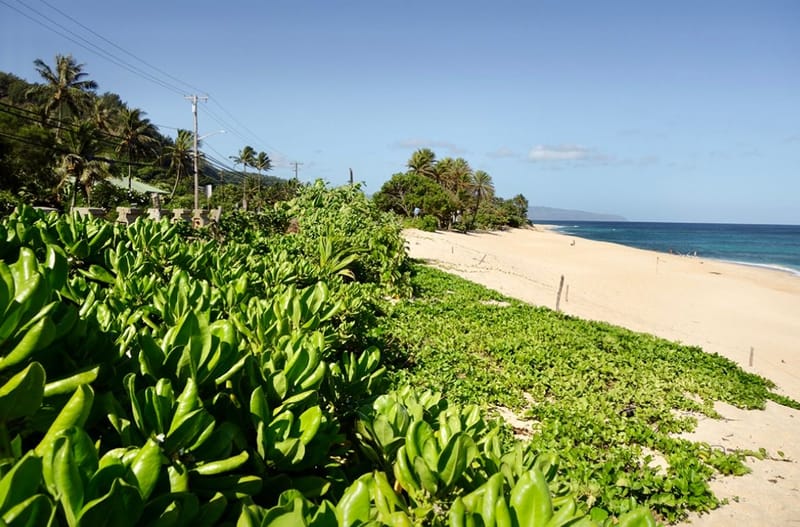
Beaches & Dunes Restoration.
Nature-Based Coastal Protection in Mauritius.
Sustainable engineering solutions to:
Restore Eroded Shorelines
Stabilise Beaches
Protect Coastal Sand Dunes
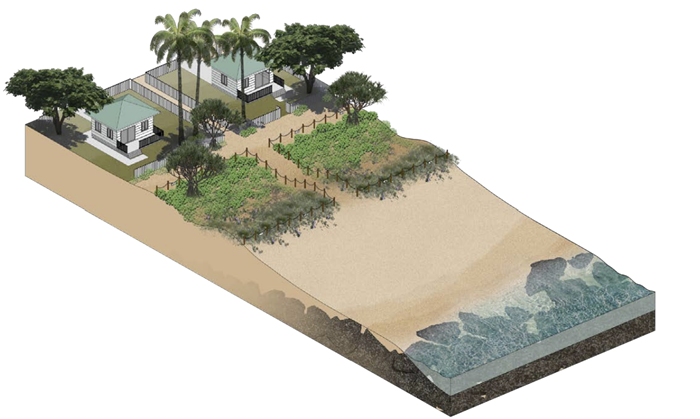
OceanVolts specialises in soft engineering methods for the recovery and long-term resilience of degraded beaches and dunes.
Our Approach:
Scientific Design
Ecological Rehabilitation
Long Term Management & Maintenance
We restore natural coastal dunes that reduce erosion, enhance biodiversity, and support sustainable coastal protection.
Tailor Made & Site Specific Solutions.
Adaptive Coastal Restoration for Every Site & Budget.
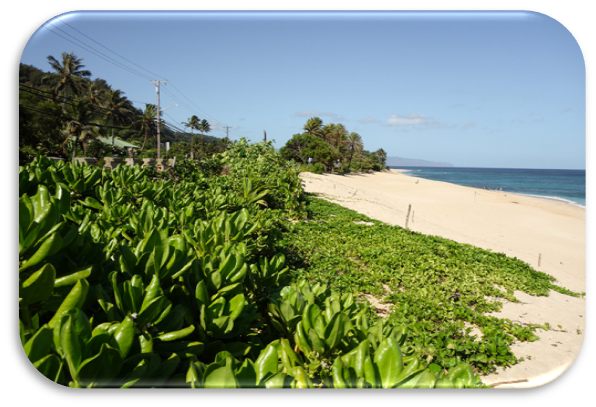
At OceanVolts, we recognise that no two coastlines are alike.
Our beach and dune restoration solutions are tailor-made and site-specific, designed to match the physical characteristics and budget of each client.
Our Site Assessment Covers
Investigation of Erosion Extent
Survey of Beach Frontage
Calculation of Sand Volume Requirements
Adapt solutions to available budget
This ensures that our solutions remain flexible, scalable, and cost-effective, whether for small private properties or large coastal developments.
By combining coastal science with practical experience, our soultions are:
Technically Sound
Sustainable over the long term
Highly Efficient
Eco System Integrated
Key Advantages:
|
Why Restore Beaches and Dunes?
Understanding Coastal Erosion in Mauritius.
Mauritius’ sandy beaches are under growing pressure from rising sea levels, wave energy concentration, and unsustainable coastal development.
These forces accelerate shoreline retreat, loss of recreational beaches, and the collapse of dune ecosystems.
Restoring these natural defences is crucial to protect assets, habitats, and coastal ecosystems.
Facts:
|
Our Soft Engineering Approach.
Engineering with Nature.
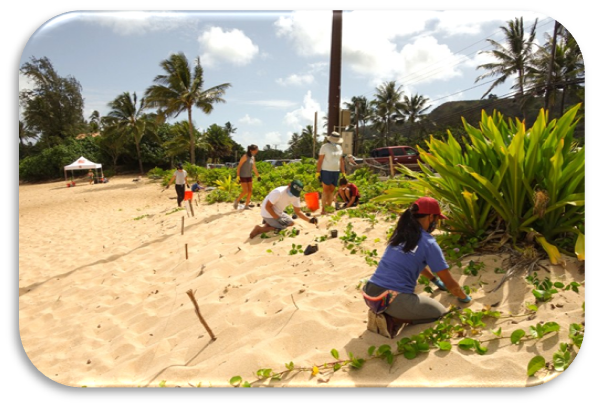
Our Restoration Methodology
At OceanVolts, we apply science-driven and low-impact coastal engineering techniques tailored to site-specific conditions.
Our interventions prioritise
- Natural sediment dynamics
- Vegetation stabilisation
- Client participation
for sustainable and long term positive outcomes.
1. Beach Nourishment and Sediment Rebalancing
We use locally sourced sand and environmentally compatible materials to rebuild eroded beaches, restoring their original width and elevation.
Our process and execution ensures the final design maintains equilibrium with wave, wind and current patterns.
2. Dune Reconstruction and Stabilisation
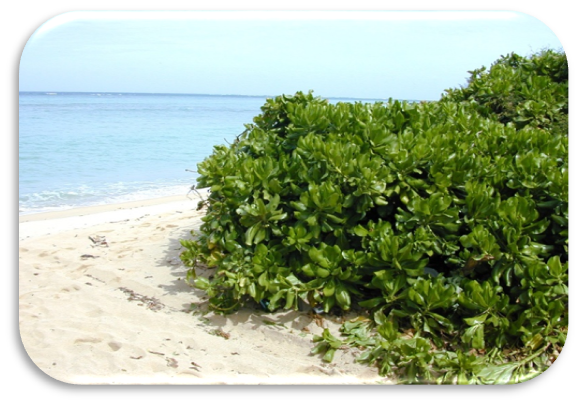
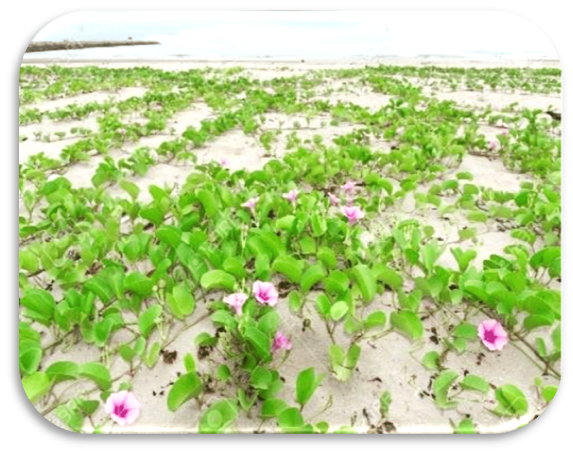
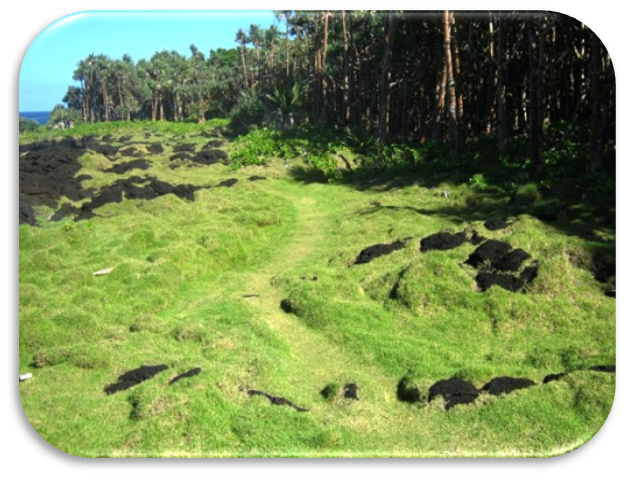
Degraded dunes are reshaped using compatible sediments, reinforced with biodegradable material, and stabilised through native vegetation planting such as:
Scaevola taccada.
Ipomoea pes-caprae
Zoysia matrella
3. Vegetation-Based Protection
Plant root networks increase dune cohesion, reduce wind erosion, and trap sediment naturally.
Our established coastal nurseries supply native species, ensuring long-term care of vegetation introduced to achieve a self-sustaining vegetation cover.
4. Bioengineering and Sand Fencing
We deploy temporary coir logs, brushwood fences, and sand fences to:
- Reduce wind influence on freshly nourished sand
- Protect early stages of plant growth to allow optimal roots development
- Capture wind blown sand
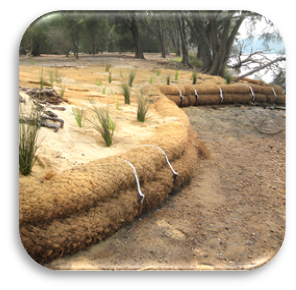 |
Coir Logs. Temporary Soil Retention. Used to retain sand until native vegetation roots take over and secure the shoreline naturally. |
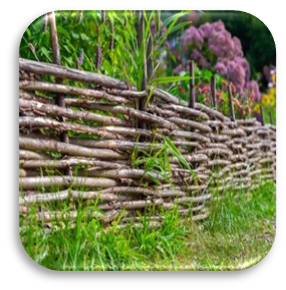 |
Brushwood Fence. Temporary Vegetation Protection. |
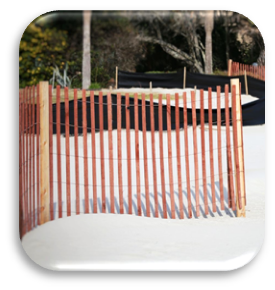 |
Sand fences. Trap & Retain Aeolian (Wind Blown) Sand. |
Monitoring & Maintenance.
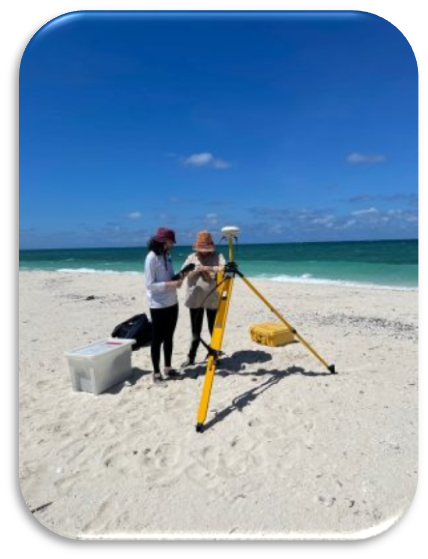
A 12-Months Programme.
Following completion of the dune restoration works, a 12-month monitoring and maintenance phase is undertaken to ensure the:
- Long-term stability
- Resilience
- Ecological success
of the restored beach. This period allows continuous observation of natural dune evolution and timely adaptive interventions when required.
Our maintenance and monitoring phase includes:
Regular Site Visits
Our field team conducts three to four visits per month to maintain the restored area and ensure optimal plant establishment. Routine activities include:
- Irrigation and soil moisture management during early growth
- Replacement of failed vegetation to maintain full plant cover.
- Gradual sand reallocation from the lower beach to promote dune crest development.
- Removal of invasive species and debris to support native growth.
Photo and Drone Documentation
Comprehensive photo monitoring and drone imagery document visual progress throughout the year, capturing:
Progressive vegetation growth and canopy expansion.
Sand accretion and recovery of the foredune profile.
Early signs of erosion or scarp formation requiring corrective measures.
Performance Validation & Reporting
Quarterly and final reports are issued to the Client summarising survey data, photographs, and analytical findings.
Each report verifies Key Performance Indicators (KPIs) including:
Net sand accumulation across monitored transects.
Vegetation survival and density rates.
Dune integrity and stability across the restored frontage.
This structured 12-month monitoring programme provides scientific validation of outcomes and ensures the dune system transitions into a self-sustaining, naturally resilient coastal barrier.
Partner with OceanVolts
Let’s Restore Mauritius’ Beaches, Naturally.
Whether your goal is to:
- Protect beachfront property
- Resort shoreline
- Rehabilitate a public beach
- Enhance dune biodiversity
OceanVolts offers turnkey restoration services; from site assessment to implementation and long-term monitoring.