Natural Beach Restoration Mauritius | OceanVolts
Overview
Coastal erosion is one of the most pressing environmental challenges affecting Mauritius. Increasing wave energy, rising sea levels, and human disturbance are accelerating shoreline retreat, threatening infrastructure, tourism assets, and fragile ecosystems.Natural beach restoration is a scientifically grounded, nature-based solution that works with coastal processes rather than against them. OceanVolts is actively implementing this approach across multiple coastal zones in Mauritius, focusing on long-term stability, ecological recovery, and cost-effective erosion mitigation.
What is Natural Beach Restoration?
Natural beach restoration is a soft engineering strategy that restores the natural dynamics of a coastline using ecological and sediment-based interventions instead of rigid structures.The approach focuses on:
- Rebuilding dune systems
- Stabilising sand through vegetation
- Restoring sediment balance
- Enhancing natural wave dissipation
Unlike hard infrastructure such as seawalls, this method absorbs wave energy and adapts over time, making it more resilient under changing coastal conditions.
Core Components of the Strategy
1. Dune Reconstruction and Profiling
Dunes are reshaped to restore natural elevation and slope. This improves the beach’s ability to buffer wave energy and reduces inland erosion.
2. Native Vegetation Planting
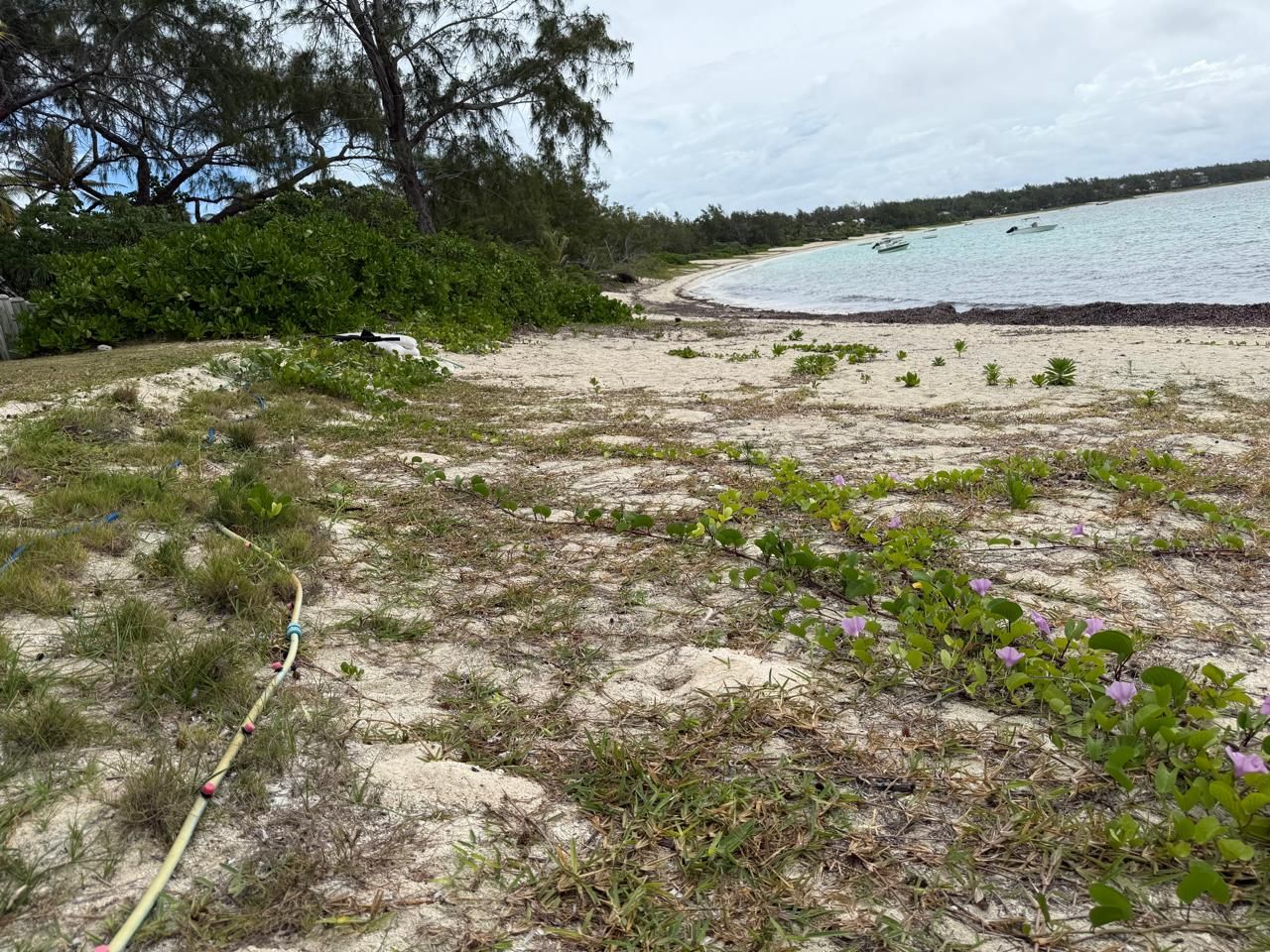
Specialised coastal plants are introduced to anchor sand and reduce wind-driven erosion. Root systems stabilise dunes while promoting long-term sediment retention.
3. Sediment Management
Sand is redistributed within the site to correct imbalances and reinforce vulnerable zones without introducing external materials where unnecessary.
4. Controlled Site Protection
Temporary measures such as fencing or restricted access zones allow newly restored areas to stabilise without disturbance.
Why This Approach is Critical in Mauritius
Mauritius has a dynamic coastal system, where lagoons, reefs, and beaches are interconnected. Disruptions in one component directly affect the others.Natural beach restoration:
- Preserves the aesthetic and economic value of beaches
- Protects coastal infrastructure
- Supports lagoon and reef health
- Reduces long-term maintenance costs
- Aligns with sustainable coastal management policies
OceanVolts: Leading Implementation in Mauritius
OceanVolts operates at the forefront of applied coastal restoration, delivering field-based solutions tailored to Mauritian conditions.Key differentiators include:
- Site-specific engineering assessments
- Integration of ecological and coastal processes
- Proven on-ground implementation methodologies
- Continuous monitoring and adaptive management
Projects are executed across varied coastal environments, from exposed shorelines to lagoon-backed beaches, ensuring that each intervention responds directly to local dynamics.
A Shift from Hard Engineering to Nature-Based Solutions
Traditional coastal protection methods often rely on rigid infrastructure, which can:
- Reflect wave energy
- Accelerate adjacent erosion
- Disrupt sediment transport
Natural restoration reverses this approach by:
- Working with natural processes
- Enhancing resilience rather than resisting forces
- Delivering sustainable, long-term outcomes
Conclusion
Natural beach restoration represents the future of coastal protection in Mauritius. By restoring dunes, stabilising sediment, and reinforcing ecological systems, this approach provides a durable and environmentally aligned solution to erosion.OceanVolts continues to lead this transition, implementing high-performance, nature-based coastal restoration strategies that protect shorelines while preserving the integrity of Mauritius’ marine environment.