Top 10 Nature-Based Shoreline Protection Solutions for Mauritius Hotels and Coastal Developments
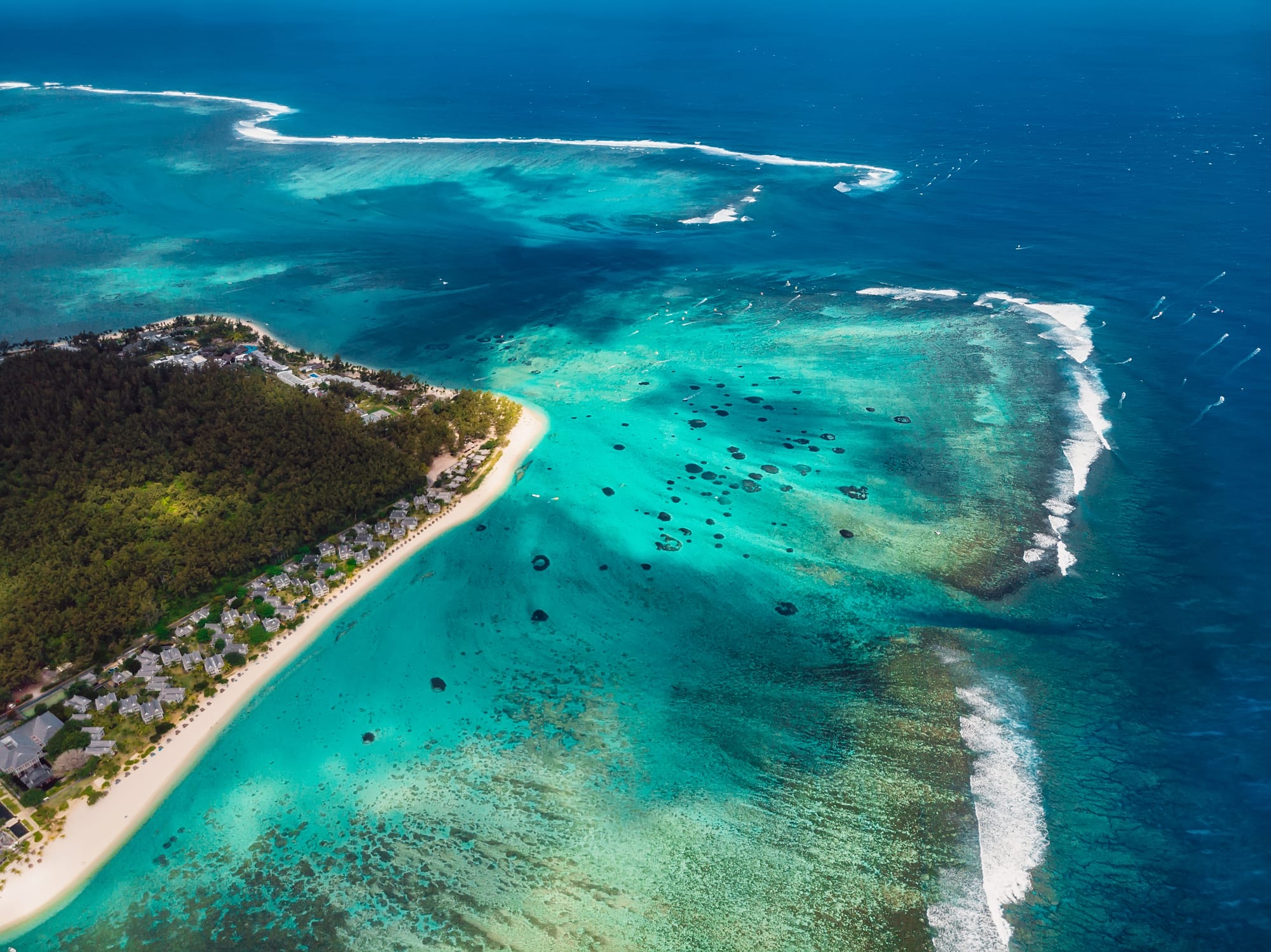
Mauritius has world-renowned beaches, lagoons, and fringing reefs. It also has a coastline under increasing pressure from cyclones, rising sea levels, reef degradation, coastal construction, and chronic sand losses in key hotel zones. For hotels and coastal developments, shoreline protection is not only about defending buildings. It is about maintaining beach width for guest experience, protecting lagoon water quality, reducing storm downtime, and meeting Environmental Impact Assessment commitments over the long term.
Nature-based shoreline protection solutions work with coastal processes rather than fighting them. They aim to reduce wave energy, retain and rebuild sediment, restore ecosystem functions, and increase resilience while improving visual value and biodiversity. They often cost less over the lifecycle than large hard structures, especially when maintained as adaptive systems.
This article presents Top 10 nature-based shoreline protection solutions for Mauritius hotels and coastal developments. Each solution includes practical guidance, where it fits best in Mauritius conditions, design considerations, monitoring needs, and typical risks to avoid. The goal is to help project owners, asset managers, architects, and environmental teams choose a toolbox of interventions that can be permitted, built, and maintained successfully.
Important note for decision makers. Nature-based does not mean no engineering. It means engineering informed by marine science, coastal geomorphology, and field implementation. The best outcomes in Mauritius usually come from combining survey data, numerical wave and current modelling, sediment transport analysis, careful phasing, and long-term monitoring, so that the site adapts without creating erosion problems next door.
1) Dune restoration and revegetation using native coastal plants
What it is. Dunes are a natural sand reservoir and storm buffer. Dune restoration rebuilds or stabilises foredunes using wind-blown sand capture, sand fencing where appropriate, and dense planting of native species adapted to salt spray and burial. It is one of the most effective ways to increase resilience on sandy coasts where there is space between infrastructure and the active beach.
Why it works in Mauritius. On open beaches exposed to trade wind waves and cyclonic swells, dunes provide elevated, flexible protection. Many hotel sites historically flattened dunes for views and access, which increased vulnerability to storm cut and overwash. Rebuilding dunes can restore the natural profile and reduce the frequency of emergency works.
Where it fits best. Wide beaches with sufficient setback, sites with recurring storm scarping, and areas where pedestrian trampling has weakened the backshore. It is also useful where regulatory constraints discourage seawalls.
- Key design actions: set a target dune crest elevation and volume based on historical storm impacts, establish a planting palette of native species, and manage access points through boardwalks and defined pathways.
- Sand source: use approved beach-compatible sand, ideally recovered from on-site accretion areas or approved borrow sources, and place it in a way that matches the natural grain size distribution.
- Vegetation: use native, salt-tolerant groundcovers and shrubs that trap sand and resist uprooting. Planting density matters more than isolated plantings.
- Access management: uncontrolled foot traffic is a top cause of dune failure. Plan formal beach access corridors and close informal paths.
- Maintenance: replant after cyclone seasons, repair blowouts early, and manage invasive species that destabilise dunes.
Pitfalls to avoid. Do not build dunes too steep, too narrow, or too close to the active swash zone. Avoid ornamental plants that look good but do not bind sand. Do not assume dunes alone can protect low-lying assets in extreme events without adequate setback and emergency planning.
2) Beach nourishment with sediment-compatible sand and adaptive profiles
What it is. Beach nourishment adds sand to widen an eroding beach, increase storm buffer capacity, and restore recreational area. As a nature-based measure it is designed to behave like the natural beach. It is most successful when combined with process understanding, including wave climate, current patterns, and sediment transport pathways.
Why it works in Mauritius. Many hotel beaches in Mauritius are maintained through informal sand scraping and ad hoc redistribution after storms. A properly engineered nourishment program can reduce recurring damage, stabilise beach access, and limit the need for damaging emergency structures.
Where it fits best. Sites with chronic sand deficit but without strong structural controls that trap sand updrift. Nourishment is particularly relevant for lagoon-fronting beaches where wave energy is moderate but longshore transport and seasonal currents move sand along the shore.
- Compatibility: match grain size, colour, carbonate content, and sorting to the native beach. Poorly matched sand can wash away quickly or harm lagoon ecology.
- Volume and template: design a nourishment template that mimics natural slopes and berms, and includes allowance for storm losses. Small volumes placed repeatedly often perform better than one large placement that cannot be maintained.
- Timing: place sand at appropriate seasons to reduce immediate losses, considering cyclone season and dominant wave direction cycles.
- Monitoring: use regular beach profile surveys and drone mapping to track performance, volume changes, and downdrift effects.
- Ecological safeguards: prevent turbidity plumes, avoid smothering seagrass or coral, and follow best practice for sediment handling and containment.
Pitfalls to avoid. Nourishment fails when the sand is incompatible, the volume is too small, or the underlying cause of erosion is ignored. It also fails when placed on a shoreline with strong net transport without a plan to manage downdrift impacts.
3) Coral reef restoration and coral nurseries to rebuild natural wave attenuation
What it is. Healthy reefs reduce incoming wave energy by breaking waves offshore and creating friction across the reef crest and flat. Coral restoration uses nurseries, fragment propagation, and outplanting to accelerate recovery of damaged reef areas, increase structural complexity, and improve ecological function.
Why it works in Mauritius. Mauritius lagoons depend on fringing reefs for wave energy reduction. Where reef structure has been degraded by bleaching events, anchor damage, storms, or water quality stress, wave transmission can increase and beaches can become more vulnerable. Reef restoration supports both shoreline protection and tourism value.
Where it fits best. Locations with historically healthy reef systems that have declined but retain suitable water quality and hydrodynamic conditions for coral survival. Sites where coastal protection goals align with biodiversity and conservation outcomes.
- Nursery approach: set up in situ nurseries in suitable lagoon zones, propagate resilient genotypes, and expand stock for outplanting.
- Site selection: choose reef areas based on depth, current, light, water quality, and protection from destructive activities. Avoid sites with chronic sedimentation or pollution until those are addressed.
- Species and genetics: use a mix of species and genotypes, prioritise survival and structural complexity, and coordinate with national conservation frameworks.
- Success metrics: monitor survival, growth, recruitment, disease, and structural changes. For shoreline objectives, also measure wave attenuation indicators where feasible.
- Stakeholder management: manage snorkelling, boating, and anchoring pressures through moorings and visitor guidance.
Pitfalls to avoid. Coral restoration is not an instant seawall. Benefits to wave reduction may take time, especially if structural complexity is low initially. Avoid underestimating maintenance needs, including predator control, storm repairs, and ongoing monitoring.
4) Lagoon ecosystem rehabilitation, seagrass and macroalgae management for sediment stability
What it is. Seagrass meadows and benthic habitats stabilise sediments, reduce resuspension, and improve water clarity by slowing currents and trapping fine particles. Lagoon rehabilitation may involve protecting seagrass beds from boat scarring, improving water quality, re-establishing habitat in degraded areas, and managing excessive macroalgal growth driven by nutrient inputs.
Why it works in Mauritius. Many Mauritius hotel lagoons are shallow and sandy, making them sensitive to resuspension and turbidity. Turbid water reduces coral and seagrass health, which can increase sediment mobility and worsen beach stability. A cleaner, healthier lagoon tends to support a more stable shoreline system.
Where it fits best. Lagoon-fronting hotels with chronic turbidity, frequent resuspension during windy periods, or seagrass decline. Also in developments where stormwater management can be improved to reduce nutrient and sediment runoff.
- Water quality actions: manage stormwater, wastewater, and runoff pathways, install sediment traps where suitable, and reduce nutrient inputs that drive macroalgal blooms.
- Protection measures: implement no-anchor zones, install eco-moorings, and designate boat channels to prevent propeller scarring.
- Habitat enhancement: where appropriate and permitted, support seagrass recovery through protection, assisted recolonisation, and reduction of physical disturbance.
- Monitoring: measure turbidity, dissolved nutrients, seagrass cover, and sediment condition, linking ecological indicators to shoreline behaviour.
- Community engagement: coordinate with lagoon users, including operators and fishers, to reduce damaging practices.
Pitfalls to avoid. Do not treat seagrass only as an aesthetic issue. Removing seagrass to create a sandy swimming area can increase erosion and turbidity. Rehabilitation must address root causes like nutrient loading or repeated physical damage.
5) Living shorelines using natural fibre fencing, brushwood structures, and biodegradable stabilisation
What it is. Living shoreline techniques use biodegradable materials and natural structures to stabilise sediments while vegetation establishes. Examples include coir logs, natural fibre mats, brushwood fences, and small-scale sand capture structures. Over time, they are replaced by the restored ecosystem itself, such as dune vegetation or coastal wetland plants where present.
Why it works in Mauritius. On many hotel shorelines, the problem is not only wave energy but also daily erosion from foot traffic, small boat wakes, and frequent minor storms. Living shoreline measures provide immediate stabilisation with low visual impact and can be adapted or removed easily.
Where it fits best. Gentle slopes, backshore areas, dune toes, and sections where vegetation can thrive. Also useful as a temporary stabilisation step while larger restorations are implemented.
- Materials: choose marine-grade biodegradable products suitable for tropical conditions. Secure them properly to withstand surges.
- Vegetation integration: install alongside native planting so that roots take over the stabilisation role.
- Hydrodynamic limits: define where wave energy is too strong for these methods alone, and combine with offshore attenuation measures if needed.
- Phasing: start with pilot sections, then extend as performance is proven and planting succeeds.
- Inspection: check after storms and repair quickly to prevent small failures from expanding.
Pitfalls to avoid. Do not install coir structures in high-energy swash zones expecting them to behave like rock. They can fail if undermined. They also require careful anchoring and regular inspection.
6) 3D-printed artificial reefs for wave attenuation and habitat creation
What it is. 3D-printed reef modules are engineered structures designed to attenuate waves, reduce nearshore energy, and create habitat complexity. Their geometry can be tuned for local wave climates, depths, and ecological goals, and their surfaces can be optimised for marine organism settlement.
Why it works in Mauritius. Many Mauritius hotels rely on reef protection. Where natural reef function is reduced, or where local bathymetry allows higher wave transmission into the lagoon, artificial reef modules can supplement natural defences while supporting restoration. They can be designed to minimise visual impact because they are submerged.
Where it fits best. Lagoon settings and near-reef zones where depths and navigation constraints permit, and where modelling shows meaningful wave reduction at the shoreline. Also where coral restoration can be integrated, using modules as settlement substrates.
- Engineering design: use bathymetric mapping, wave modelling, and current analysis to determine module placement, crest depth, spacing, and orientation.
- Ecological design: incorporate microhabitats, cavities, and textured surfaces to increase biodiversity. Consider coral outplanting compatibility.
- Permitting and navigation: plan locations to avoid navigation routes, snorkelling safety issues, and conflicts with lagoon users.
- Installation: use controlled placement to avoid seabed scouring and turbidity. Conduct post-install surveys to confirm as-built position.
- Performance monitoring: track shoreline response, wave conditions, and ecological colonisation. Adjust with additional modules or reconfiguration if monitoring indicates gaps.
Pitfalls to avoid. Artificial reefs must be designed for the specific site. Poor placement can create erosion hotspots, rip currents, or sediment deposition that affects habitats. Avoid treating them as a simple product rather than a system requiring modelling, installation control, and monitoring.
7) Low-crested, permeable breakwaters made from natural rock or eco-engineered units with habitat value
What it is. Low-crested offshore structures reduce wave energy while allowing water exchange. When designed with ecological features, such as rough surfaces and crevices, they can provide habitat and promote colonisation. They are often combined with nourishment to build and maintain a wider beach.
Why it works in Mauritius. Some locations have wave climates and shoreline orientations where dune and nourishment alone struggle to retain sand. A low-crested, permeable structure can reduce peak wave energy and stabilise the beach in front of critical assets, while still allowing lagoon circulation.
Where it fits best. Exposed hotel frontages where numerical modelling indicates high wave transmission and where there is limited space for landward adaptation. Also where there is a need to protect key infrastructure but with lower visual impact than a seawall.
- Permeability and crest level: tune to reduce wave heights without fully blocking water flow. This reduces water quality issues and scour risk.
- Ecological enhancement: specify rock sizes and arrangements that create niches for marine life. Avoid overly smooth surfaces.
- Coupling with nourishment: use sand placement to form a stable beach planform. Structures alone can cause unwanted scour if not integrated.
- Downdrift considerations: model longshore transport to avoid starving neighbouring beaches.
- Maintenance: inspect after big events for settlement, displacement, and scour. Plan for periodic topping up.
Pitfalls to avoid. Poorly designed breakwaters can trap stagnant water, lead to algae issues, or create tombolos that alter access and habitat. Avoid copying a design from another site without local data and modelling.
8) Oyster, bivalve, and biofilter-inspired habitat solutions where feasible to improve water clarity
What it is. In some coastal environments, filter feeders help improve water clarity by removing suspended particles, and their structures can provide minor stabilisation and habitat value. In Mauritius lagoons, feasibility depends on species suitability, water quality, and regulatory context. The principle is to use living biofilters and habitat enhancements to support clearer water, healthier seagrass and coral, and indirectly more stable sediments.
Why it can help in Mauritius. Hotels often face lagoon turbidity from resuspension and land-based runoff. Improving water clarity supports reef and seagrass recovery, which in turn supports wave attenuation and sediment stability. Although not a primary wave barrier, it can be a valuable supporting measure in an integrated plan.
Where it fits best. Sheltered lagoon areas with suitable salinity, low contamination risk, and where aquaculture or habitat enhancement is permitted. It is most appropriate as part of a broader lagoon rehabilitation effort.
- Feasibility study: assess species suitability, disease risks, contamination concerns, and ecological compatibility.
- Design: use habitat-friendly structures or designated zones that do not conflict with swimming and boating.
- Water quality monitoring: track bacteria, nutrients, and turbidity to ensure no health risks and to quantify benefits.
- Integration: combine with runoff control and seagrass protection so that cleaner water translates into lasting habitat gains.
- Governance: coordinate with authorities and stakeholders to avoid user conflicts and ensure compliance.
Pitfalls to avoid. Do not implement biofilter concepts without strict water quality control and permitting clarity. Avoid creating structures that become debris hazards in storms or create navigation issues.
9) Setback, elevated design, and sacrificial landscape zones as a nature-based risk strategy
What it is. The most effective shoreline protection is often giving the coast space to move. Setbacks, elevated foundations, and sacrificial landscape zones allow dunes and beaches to adjust during storms without transferring the problem to adjacent properties. This is a nature-based planning approach that reduces the need for hard defences.
Why it works in Mauritius. Many shoreline problems arise because assets are too close to the active beach, leaving no room for natural seasonal change. Retrofitting setbacks is difficult, but future renovations, new hotel wings, pools, and coastal amenities can be designed with shoreline dynamics in mind.
Where it fits best. New developments, major refurbishments, and sites with space inland. Also useful where social and environmental constraints make offshore structures challenging.
- Planning: map erosion hazard lines using historical imagery, surveys, and modelling. Set design lines based on realistic storm and sea level scenarios.
- Elevated assets: locate critical infrastructure above flood levels, and design ground floors and landscaping to tolerate occasional inundation.
- Sacrificial zones: use resilient planting and flexible pathways that can be repaired, instead of rigid walls at the beach edge.
- Operational continuity: plan emergency access and post-storm restoration procedures to reduce downtime.
- EIA alignment: demonstrate how the design reduces long-term environmental impacts compared to hard protection.
Pitfalls to avoid. Setback planning must be based on site-specific data, not generic distances. Avoid designing beautiful beachfront features that force future seawalls when the beach retreats.
10) Integrated monitoring, adaptive management, and early-warning triggers
What it is. Nature-based shoreline protection performs best as an adaptive program, not a one-time build. Integrated monitoring uses beach profiles, drone surveys, bathymetric mapping, reef and seagrass health assessments, and wave and current observations to track changes. Adaptive management sets clear triggers for maintenance actions, such as nourishment top-ups, dune repairs, or access control changes.
Why it works in Mauritius. Mauritius shorelines can change quickly due to seasonal wave shifts and cyclone events. A monitoring-driven approach reduces the risk of overbuilding, allows cost-effective interventions at the right time, and provides evidence for regulators and stakeholders that the shoreline is being managed responsibly.
Where it fits best. Everywhere. Monitoring is the backbone that makes all other solutions more reliable, especially for hotels that require predictable beach conditions and clear reporting for ESG and compliance.
- Baseline surveys: conduct initial coastal and marine surveys, including beach profiles, topographic mapping, bathymetry, and habitat mapping.
- Model-informed planning: use numerical wave and current modelling and sediment transport analysis to test scenarios and reduce uncertainty.
- Key indicators: define beach width targets, dune crest thresholds, turbidity limits, coral and seagrass health metrics, and event-based inspection procedures.
- Trigger points: set clear thresholds that initiate action, such as a specific volume loss, scarp height, or shoreline retreat distance.
- Reporting: create a simple dashboard for hotel management and a technical annex for regulators and EIA commitments.
Pitfalls to avoid. Monitoring without decision rules becomes an expense without benefits. Also avoid collecting data that is not tied to management outcomes. The most useful programs focus on a small number of high-value indicators tracked consistently.
How to choose the right combination for a Mauritius hotel site
Most sites need a hybrid nature-based strategy. For example, a hotel on a moderately exposed shore might pair dune restoration and access control with periodic nourishment. A site with a degraded reef crest might add coral nurseries and 3D-printed reef modules where modelling shows wave transmission is driving erosion. A very constrained site might need a low-crested offshore structure combined with nourishment and strict lagoon management to keep water quality high.
To select the right mix, decision makers should answer a few practical questions:
- What is the dominant driver of erosion? Longshore transport imbalance, storm cut, reef degradation, lagoon currents, or human disturbance such as sand scraping and trampling.
- What is the site exposure? Trade wind wave direction, cyclone swell pathways, and the level of reef protection.
- Is there room for the beach and dune to move? Setback and sacrificial landscape options greatly reduce long-term costs.
- What are the environmental constraints? Seagrass presence, coral habitat, turtle nesting, and water quality conditions that shape what is permitted.
- What is the performance goal? Protect a building line, maintain a minimum beach width for guest use, reduce flood frequency, or meet biodiversity commitments.
A simple implementation pathway for hotel operators and developers
Projects succeed when they follow a structured pathway from diagnosis to monitoring. A practical sequence is:
- Step 1, Data collection: coastal and marine surveys, drone mapping, bathymetric mapping, and habitat assessment to establish baseline conditions.
- Step 2, Process understanding: numerical wave and current modelling, sediment transport analysis, and review of historical shoreline change.
- Step 3, Concept options: select a shortlist of nature-based measures appropriate for the site constraints and goals, often 2 to 4 measures combined.
- Step 4, Impact and permitting: integrate with EIA requirements, define turbidity controls, and align with marine ecology safeguards.
- Step 5, Pilot and phase: implement pilot sections for living shoreline or dune works, then scale up. For offshore modules, install in phases with performance checks.
- Step 6, Monitor and adapt: run regular surveys and inspections, compare to trigger thresholds, and implement maintenance actions on schedule rather than in crisis mode.
Why nature-based solutions are particularly aligned with hotel brand value in Mauritius
For hotels, shoreline protection is visible. Guests experience it as beach quality, lagoon clarity, and reef health. Nature-based measures can improve the guest experience by creating more natural beachscapes, enhancing snorkelling habitats, increasing biodiversity, and reducing construction scars associated with heavy hard armouring.
They also support ESG reporting, climate resilience commitments, and long-term asset value. When implemented with science and engineering, they provide defensible, measurable performance, not just good intentions.
Conclusion
Mauritius hotel shorelines can be protected effectively through nature-based shoreline protection solutions that combine coastal engineering, marine science, and field implementation. The top ten options outlined here, from dunes and nourishment to reef restoration, lagoon rehabilitation, and engineered habitat structures, can be mixed and matched into a site-specific program. Success depends on choosing interventions that fit the local wave climate, reef and lagoon setting, sediment pathways, and operational constraints, then backing them with monitoring and adaptive management.
By investing in nature-based measures now, hotels and coastal developments can reduce storm damage, preserve beach value, improve marine ecosystems, and build resilience for the decades ahead.